01
Systems thinking.
How a thing works interests me more than how it looks. Get the model right and the screens mostly design themselves.
More about me
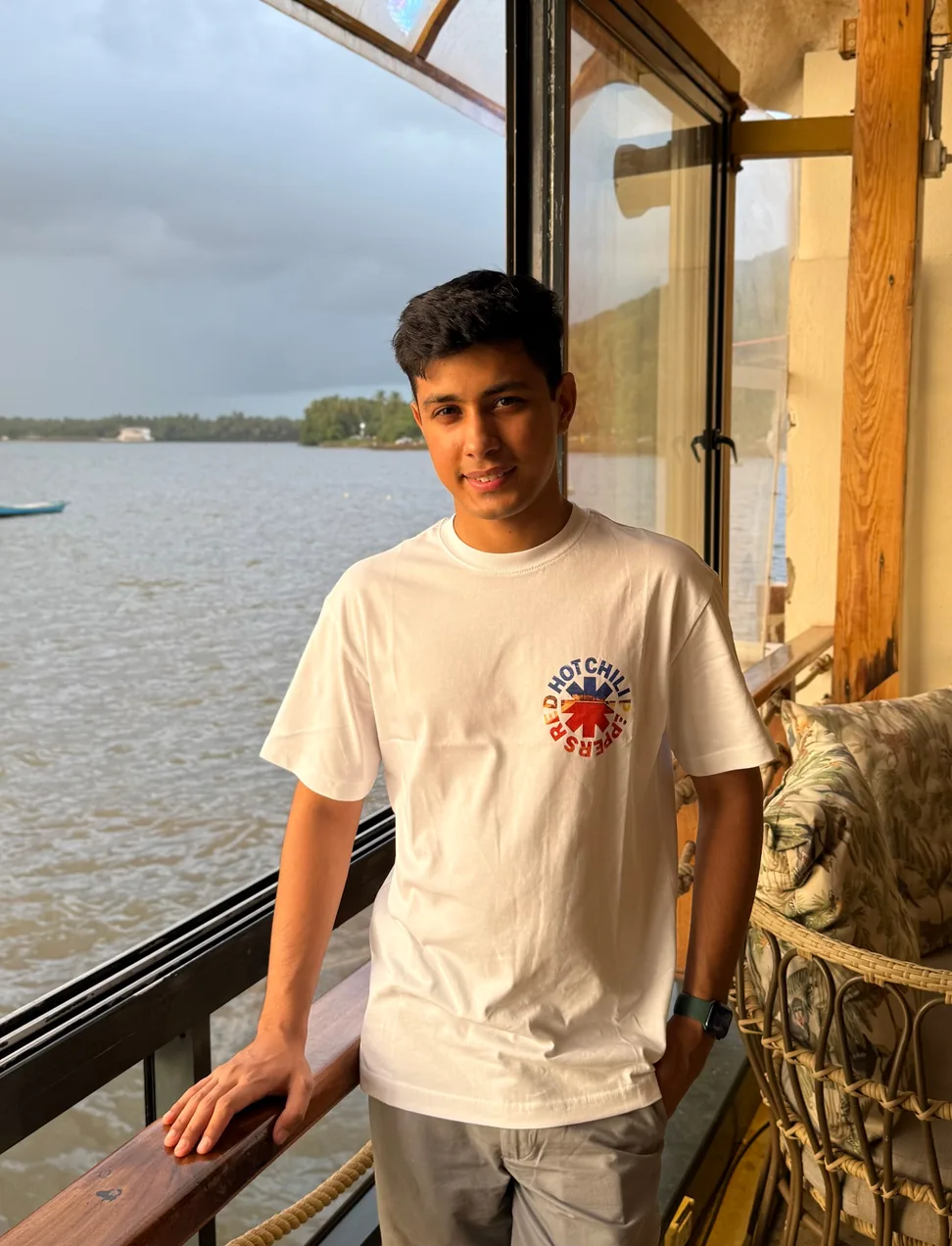
Growing up as a shy and observant kid in the hustle bustle of West Delhi, I always loved asking questions and spotting patterns in human interactions. My dad was a tech enthusiast and therefore so was I. That's how I got into design pretty early, when I discovered Photoshop on his computer at 12.
A year into my Computer Science degree, I stumbled upon the study of human-computer interaction and found myself drawn to it. I decided that Product Design is the right path for me.
For 3 years, I've worked as a Product Designer at AI startups in small, focused teams that ship fast.
With the advent of agentic coding, life took me right back to engineering. Today, I'm a Design Engineer, building the user experience I design.
Currently I'm rabbit-holing on agent memory patterns, bringing all sorts of ideas to life in Claude Code, and planning my next holiday.
How I work
01
How a thing works interests me more than how it looks. Get the model right and the screens mostly design themselves.
02
A design isn't done when it looks right, or when it ships. It's done when it creates the impact it was meant to.
03
Empty states, error handling, the small moment between clicking and seeing something happen. This is what separates a good experience from a great one.
04
The role I have now barely existed a couple of years ago, and the tools I use today won't be the ones I use next year. I'd rather be early and clumsy with something new than fluent in something on its way out.
05
Between a convincing AI demo and something people use every day sits an enormous amount of design. That gap is the most interesting problem in software right now.
How I work
01
How a thing works interests me more than how it looks. Get the model right and the screens mostly design themselves.
02
A design isn't done when it looks right, or when it ships. It's done when it creates the impact it was meant to.
03
Empty states, error handling, the small moment between clicking and seeing something happen. This is what separates a good experience from a great one.
04
The role I have now barely existed a couple of years ago, and the tools I use today won't be the ones I use next year. I'd rather be early and clumsy with something new than fluent in something on its way out.
05
Between a convincing AI demo and something people use every day sits an enormous amount of design. That gap is the most interesting problem in software right now.
Passport